

Greenhouse tips & facts
Practical tips to get more out of your greenhouse — all year round.

Velt shares the following tips
What is Velt:
Velt (Vereniging voor Ecologisch Leven en Tuinieren) is the association for everyone who wants to garden and cook in an environmentally friendly way. For more than 40 years, we have been promoting healthy living in tune with the seasons, with respect for nature.
Velt is the go-to association for anyone who wants to adopt eco-friendly practices in the garden or kitchen. With Velt you learn not only how to grow delicious vegetables organically, but also discover everything about beautiful eco-gardens, keeping chickens in an animal- and eco-friendly way, and preparing wonderful dishes with freshly harvested seasonal vegetables.
Greenhouse itch in January
The days are starting to lengthen, but the vegetable garden is still rather deserted due to lack of light and warmth. If you have a greenhouse, you can give in to the urge to garden sooner. Jos Van Hoecke, author of the book Achter Glas, shares what he does in his greenhouse during the winter months.
- In part of my greenhouse, I sowed green manures in autumn. They have grown well and form a colourful mix of phacelia, rye and vetch. At the end of January I dig them in shallowly. Then I spread five litres of fine compost per square metre on top of the soil.
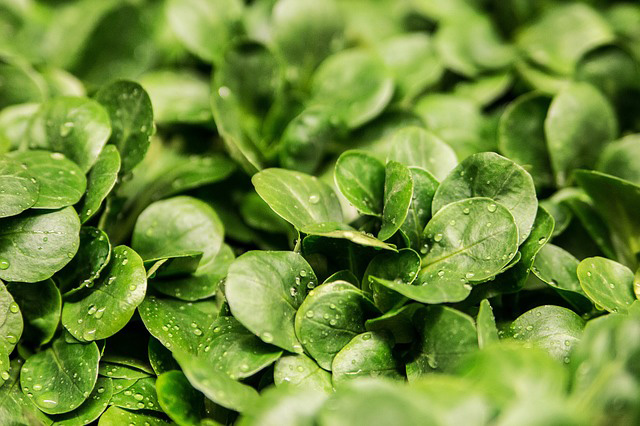
- The rest of the greenhouse is still full of lamb's lettuce, cut-and-come-again lettuce, rocket, winter purslane, chervil and chicory. These can of course remain until their harvest is finished.
- As soon as it stops freezing during the day, I sow the first seeds and the vegetable garden year begins for me. Saxa is my favourite radish variety for greenhouse growing. From now on I sow small batches of radishes every three weeks to have a constant supply until April, when I continue growing outdoors.
- Sow fresh spring leaves now! Cut-and-come-again lettuce is a fast grower that you can already sow in the greenhouse. Witte Dunsel is my earliest favourite. Rocket, Osaka Red, Tokyo Bekana, Serifon, turnip greens, mizuna and Purple Frills are all brassica leaves that I sow every three weeks in rows 30cm apart. Vroeg Reuzenblad is my favourite spinach variety, as it copes well with the cold.
- From mid-February I sow one or more winter leek varieties in the seed tray and in the greenhouse soil. Leeks germinate with a cute green shoot that forms a hook at the tip. By April those hundreds of young plants are as thick as a knitting needle and I plant them out in the open ground. At the same time I sow onion seeds in the greenhouse.
- If you want to harvest peas in May, pre-sow them in the greenhouse now. That way you can plant sturdy seedlings outside from mid-March and reduce the risk of caterpillars in your peas.
- In the second week of February I sow cauliflower for the first time. Three weeks later I sow again to spread planting and extend the harvest.
- In the conservatory at the end of February I pre-sow chilli peppers and sweet peppers, as they need around 22°C during the day and 18°C at night to germinate.
Almost summer in the greenhouse! (August)
From mid-May everything takes off in the garden, as the Ice Saints are finally over. All frost-sensitive plants can now go into the greenhouse and outside. It gets so busy that even Jos Van Hoecke forgets to sit in his greenhouse chair and enjoy the sun and the wonderful activity in the garden.
- The last spring vegetables leave the greenhouse for the table, making room for the tomatoes. After planting them out you need to tie them up straight away. Remove side shoots regularly while they are very small. The rule of thumb is: definitely not too much water, and always at the base of the plant so the leaves stay dry.
- Sweet peppers, chilli peppers and aubergines should be gradually acclimatised to the temperature in the greenhouse. When the first flower buds appear, transplant them — either in the greenhouse soil or in pots.
- Melons can now go into the open ground too. If space in the greenhouse is limited, grow them vertically on a structure of stakes and wire netting. Pinch the main shoot after the fifth leaf has fully developed.
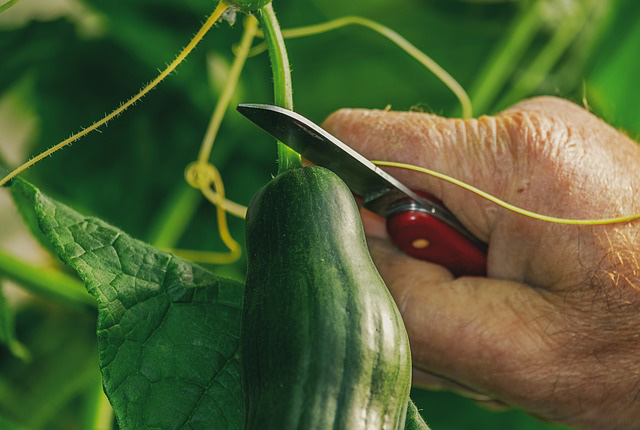
- Gherkins and cucumbers are fast growers. Train them on a trellis of sturdy poles or on strings. Harvest the fruits young: that is when they taste best.
- Do not leave the greenhouse soil bare — mulch with a growing layer of organic material. This keeps moisture in the soil and gives unwanted plants no chance.
Extend the seasons in your greenhouse (November)
As the days shorten, nature and the garden slow down. But with a greenhouse you can extend the seasons. Jos Van Hoecke proves it: while harvesting the last fruiting crops, he stores his chicory roots and starts planning the new growing season. These five tips will help you get more out of your garden too.
- Sweet peppers and chilli peppers are in large pots in my greenhouse. In autumn, when frost threatens, you can temporarily move them inside or to the conservatory. In November, space the pots a little further apart to reduce fungal problems.
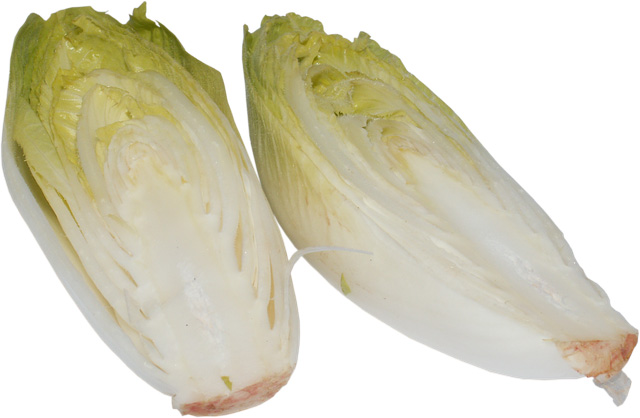
- In November I bring the dug chicory roots into the greenhouse. I cut the leaves back to 3cm. Then I bury most of the chicory roots vertically, frost-free. Every four weeks I take out about forty to force using cold forcing.
- If you continued sowing in late summer, you can now harvest abundantly from your winter purslane, lamb's lettuce, chervil and rocket. Water regularly.
- If winter temperatures drop to -10°C or colder, I cover the vegetables stored in the greenhouse with extra jute, hay or straw.
- And then it is already time to draw up the greenhouse growing plan for the new season. A great help is my annual garden diary, which provides a wealth of information over the years.